


You will find the top rated home decor ideas for people with low natural light right here, born out of my own battle with a gloomy north-facing living room. Living in a dark space feels like living inside a cardboard box. You buy lamps, you wipe windows, and the shadows still win. It drains your energy daily. Let us fix that mood together right now.
1. Top Rated Home Decor Ideas for People with Low Natural Light Start with Brass Accents
Polished brass catches tiny slivers of daylight and bounces them sideways across a dim space. Flat black hardware absorbs energy, while warm brass creates tiny glowing focal points that trick your eyes into seeing extra brightness. I swapped out my matte cabinet knobs and picture frames for antique brass last winter.
The room instantly felt warmer without turning on extra overhead fixtures. Look for unlacquered metal pieces at local thrift markets or hardware stores. They add character while serving as subtle reflectors for whatever faint daylight trickles in.
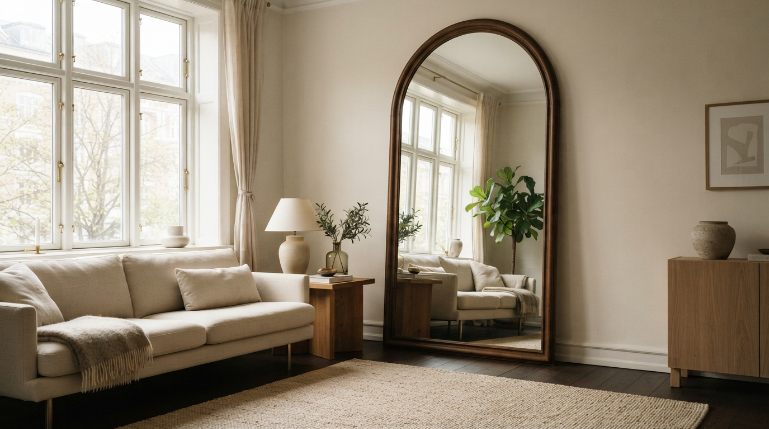
2. Floor-Length Arched Mirrors Across from Light Sources
Placing a huge mirror directly opposite your only daylight source doubles the visual depth of the room. It acts like a second window, throwing ambient glow into neglected corners. I bought the Selcy arched floor mirror from Anthropologie, and it completely altered my dim hallway.
Do not tilt the mirror toward an empty ceiling or a messy desk. Keep it flat against the drywall so it reflects open air. That simple trick prevents visual clutter and maximizes your daylight amplification instantly.
3. High-CRI 2700K LED Bulbs in Layered Lamps
Cheap cool-white bulbs make a dark room look like a spooky hospital basement. Bulbs with a 90 plus Color Rendering Index emit rich light that reveals true furniture tones. I run Philips Ultra Definition bulbs across two ceramic table lamps and one arc floor lamp.
Layering your light sources at different room heights eliminates heavy ceiling shadows. Keep your color temperature locked strictly at 2700K. This creates an inviting evening ambiance that feels cozy rather than dingy and neglected.
4. Cream Linen Drapery Hung High and Wide
Heavy velvet drapes block precious sun even when pulled aside, choking small window frames. Breezy linen lets every scrap of daylight pass through while softening harsh window trims. I installed an extra-long curtain rod six inches below my ceiling molding, extending twelve inches past each window frame.
Now my curtains sit entirely against the drywall when open. That keeps the entire glass pane exposed for maximum sun entry. It is one of those smart decorating tricks that makes low-light rooms feel twice as tall and airy.
5. Cast Iron Plants and ZZ Foliage for Real Greenery
Faux plastic plants look dusty and depressing in gloomy spaces, yet tender fiddle leaf figs die fast without sunshine. Cast iron plants and glossy ZZ plants survive in dark corners without throwing daily tantrums. My potted ZZ plant sits ten feet away from any window and pushes out fresh green shoots every spring.
Wipe their foliage with a damp cloth every two weeks to remove household dust. Clean leaves catch light and add genuine vitality to rooms that usually feel flat and lifeless.
6. Velvet Throw Pillows in Ochre and Warm Terracotta
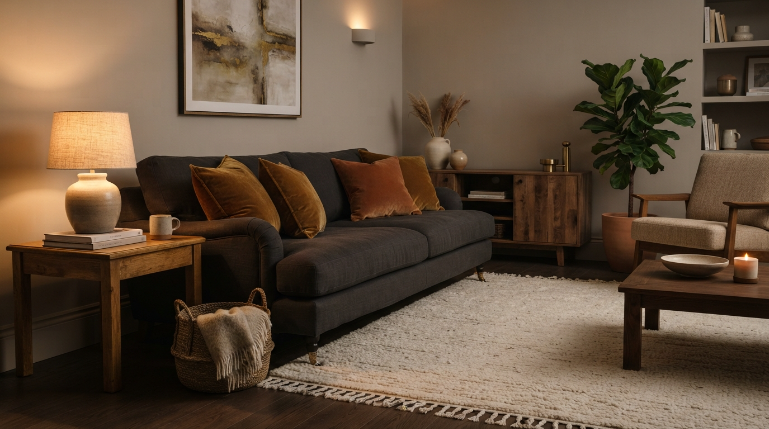
Cool gray and navy pillows make a low-light room feel icy and sad. Warm earth tones bring their own sunshine indoors, creating warmth even on rainy afternoons. I tossed two ochre velvet covers from West Elm onto my dark sofa, and the seating area visibly brightened up.
Velvet has a gentle sheen that catches peripheral table lamp glow beautifully. Stick to mustard, terracotta, and soft rust shades. These rich hues generate tactile comfort that distracts visitors from the lack of morning sunshine.
7. Semi-Gloss Paint Finishes for Doors and Baseboards
Flat matte paint on baseboards absorbs interior lamp glow, leaving boundaries looking dingy. Semi-gloss trim paint reflects floor lamp rays along the room perimeter, tracing clean borders that define the space. I repainted my interior doors and floor trims with Benjamin Moore Advance in semi-gloss chantilly lace.
The subtle sheen creates a crisp edge that visually separates walls from floors. It also wipes clean easily when scuffed by shoes. That crisp contrast supplies architectural definition that murky low-light dens desperately need.
8. Low-Profile Glass Coffee Tables
Bulky wooden coffee tables drop heavy shadows directly onto rugs, turning living room centers into black holes. Clear tempered glass tables allow your flooring and ambient floor light to flow straight through unobstructed. I picked up an oval glass table on Facebook Marketplace after ditching my chunky oak piece.
The center of my den immediately felt open and breezy. Pair it with a light woven tray to keep remotes organized without blocking daylight. Choosing clear furniture offers instant visual lightness that opens cramped layouts.
9. Bleached Jute and Cream Wool Area Rugs
Dark patterned carpets pull focus downward and trap gloom right beneath your feet. A light ivory wool rug or bleached jute rug acts like a huge reflector for your ambient table lamps. I rolled out a natural flatweave runner from Revival Rugs across my dim wood floorboards.
Walking into the space felt instantly lighter on dreary mornings. Avoid stark sterile white, which shows mud and feels clinical in low light. Warm oatmeal tones provide ground-level radiance that anchors furniture softly.
10. Warm White Wall Art with Floating Birch Frames
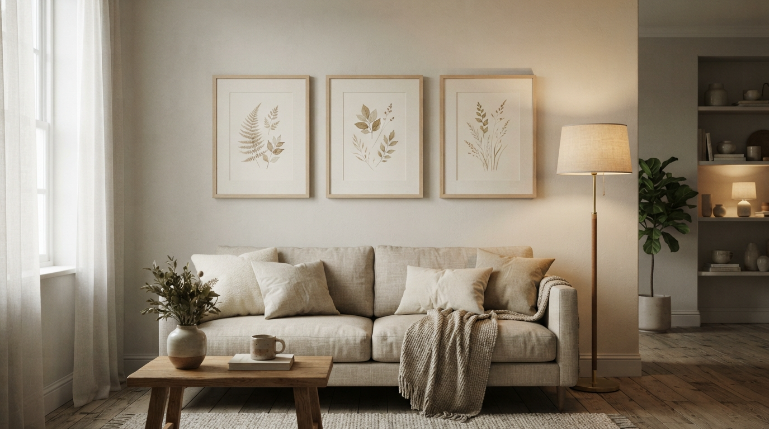
Dense, dark oil paintings drag low-light walls down, turning small rooms into heavy caves. Light gallery prints with generous white matting introduce breathing room into your perimeter walls. I framed three botanical sketches using light birch wood frames and wide textured white mats.
Hang them at eye level where your nearest floor lamp throws peripheral illumination. The white border works as a miniature daylight reflector on empty drywall. This clever detail produces intentional wall balance across gloomy seating nooks.
FAQs
Can I paint my dark room pure bright white?
Stark brilliant white paint turns dull gray and dingy without direct sunlight bouncing off it. You should choose a warm off-white with yellow or creamy peach undertones instead. Warm undertones hold their own under evening lamp illumination, keeping your interior feeling soft and inviting.
What are good top rated home decor ideas for people with low natural light on a budget?
Start by replacing your overhead light bulbs with warm, high-CRI LEDs and swap dark picture frames for thrifted brass ones. Hang your existing curtains wider so fabric sits entirely off the glass. These three tiny tweaks cost very little cash while dramatically brightening up your living space.
Do mirrors really work in rooms with tiny basement windows?
Yes, but you must angle them intentionally toward open areas or warm lamp light. Bouncing dim window light onto a blank white wall or opposite hallway doubles perceived spatial depth. Avoid pointing mirrors at dark furniture corners, which only duplicates visual clutter and heavy shadows.
Which houseplant looks best in a gloomy den?
A mature snake plant or glossy ZZ plant handles deep shade without losing color or dropping leaves. Place them inside glazed ceramic pots with a light beige or terracotta finish. The glossy pottery adds another reflective surface while the hardy green foliage introduces lush, welcoming organic energy.
Conclusion
Living in a dim space does not mean you are stuck inside a gloomy cave forever. A few reflective accents, warm LED bulbs, and thoughtful textures make all the difference in your daily mood. Which small change are you going to try in your space first?